


Mexico Affirms Unwavering Humanitarian Aid to Cuba Amidst Oil Halt
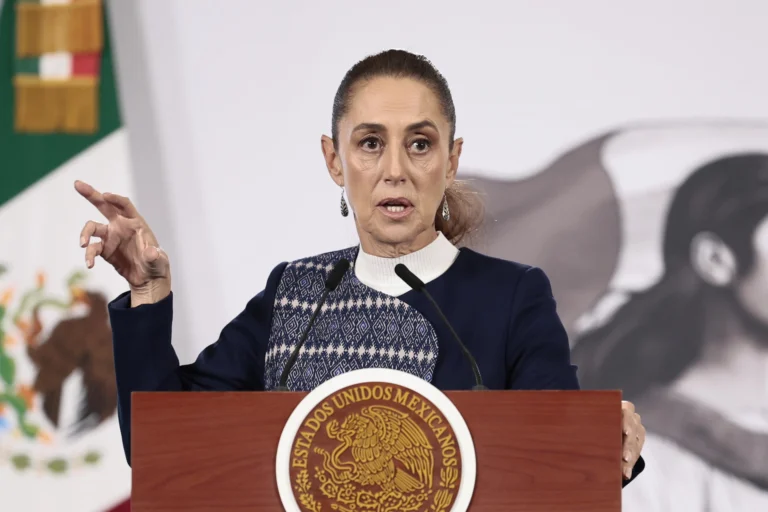
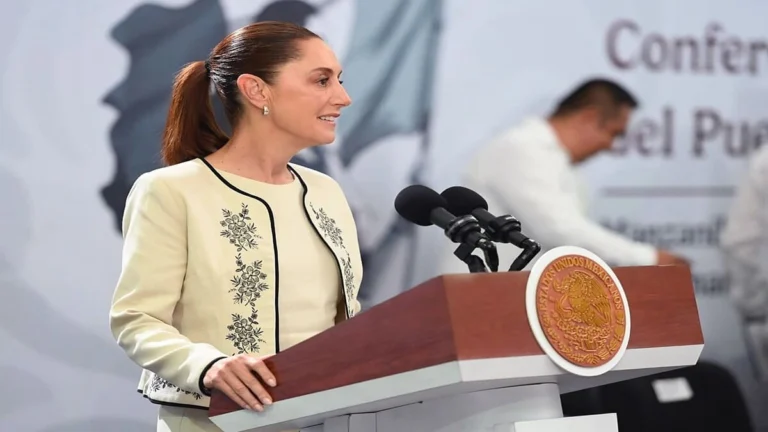
The Mexican President reiterated that PEMEX delivers oil to the island through contracts. Photo: EFE.
January 29, 2026 Hour: 3:52 am
Mexican President Claudia Sheinbaum confirmed Wednesday that the government will continue to ship oil to Cuba, despite pressures from the United States.
Mexico’s President Claudia Sheinbaum affirmed this Wednesday, January 28, that her government will maintain its multifaceted support for Cuba, extending beyond the current suspension of oil shipments.
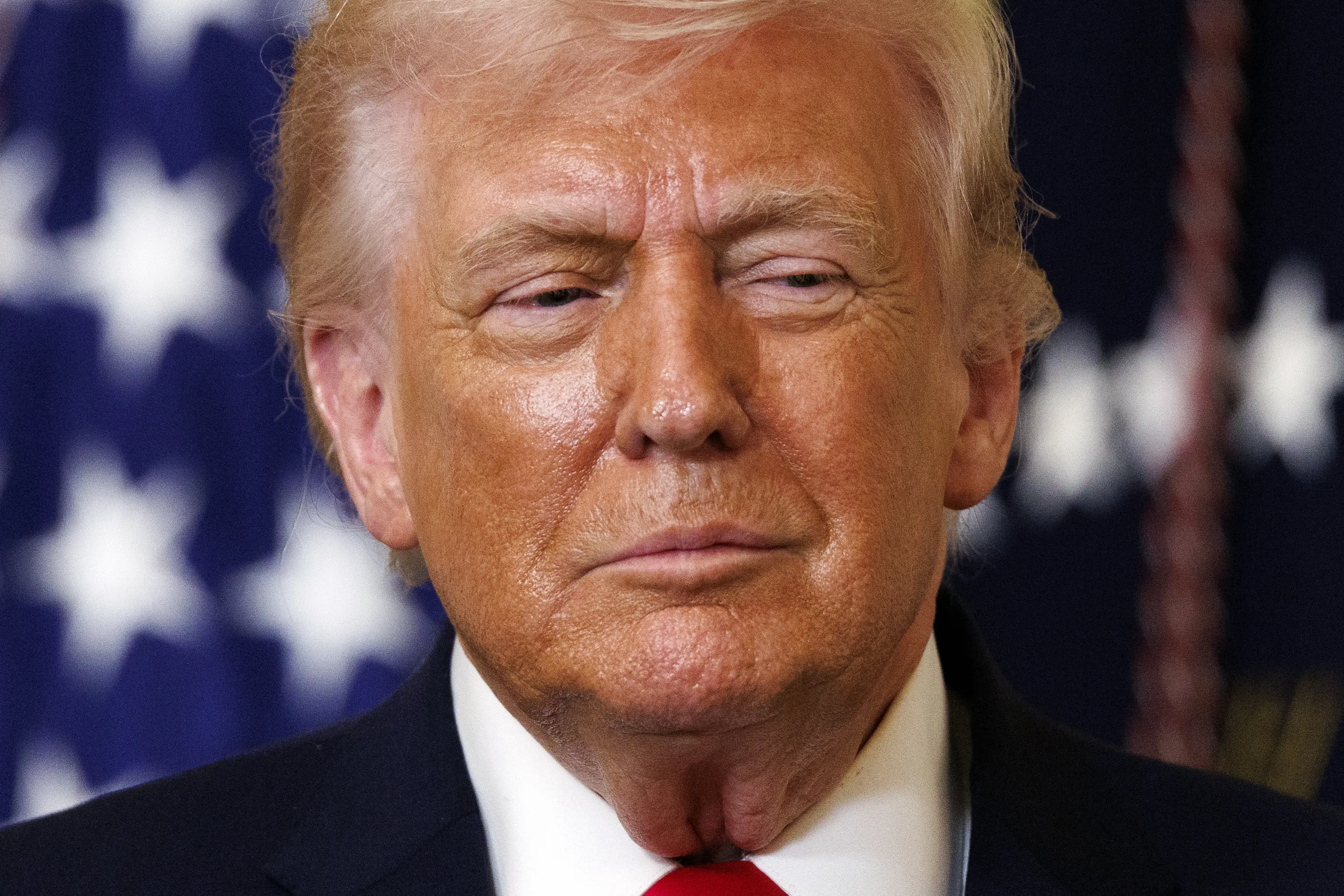
The declaration comes amidst renewed pressures from U.S. President Donald Trump, who has intensified interferences to cut off energy supplies to the Caribbean country.
RELATED: 5 Defiant Declarations: Sheinbaum Reaffirms Mexico’s Sovereignty Amid U.S. Threats
“Humanitarian aid to Cuba, as to other countries, continues (…). Mexico has always been in solidarity with the entire world, and these are sovereign decisions”, President Sheinbaum stated during a press conference.
Her comments followed media outlets that have reported that a shipment planned in January was called off, aligns with recent pronouncements from President Trump, who asserted that Cuba would no longer receive energy supplies, a move perceived as part of Washington’s broader strategy to destabilize governments resistant to its geopolitical agenda.
Mexico-Cuba Mechanisms Oil Transfers
President Sheinbaum explained that there are two principal ways through which the vital resource is supplied: “One is through contracts established by PEMEX (Petróleos Mexicanos, in Spanish) with an institution of the Cuban Government, and in that contract, PEMEX determines when it is sent”, indicating a commercial framework subject to contractual terms and market conditions.
This commercial aspect often faces hurdles due to the extensive and intricate web of financial and trade sanctions imposed by the U.S. blockade against Cuba, which deter international companies from engaging in transactions with the island for fear of punitive measures from Washington.
Furthermore, Sheinbaum highlighted a separate and distinct channel: the humanitarian aid. This distinction is crucial, as it separates commercial dealings, which can be easily disrupted by external pressures, from acts of solidarity aimed at alleviating human suffering, a principle deeply ingrained in Mexico’s foreign policy on international cooperation.
I]n this sense, the Mexican President affirmed that the humanitarian aid to Cuba will continue, despite the commercial oil halt and intense U.S. pressure, underscores a persistent policy of regional solidarity.
The complex interplay of commercial contracts, humanitarian imperatives, and geopolitical coercion highlights the delicate balance Mexico seeks to maintain in its foreign policy, advocating for sovereign decisions and multilateral cooperation over unilateral sanctions and interventions.
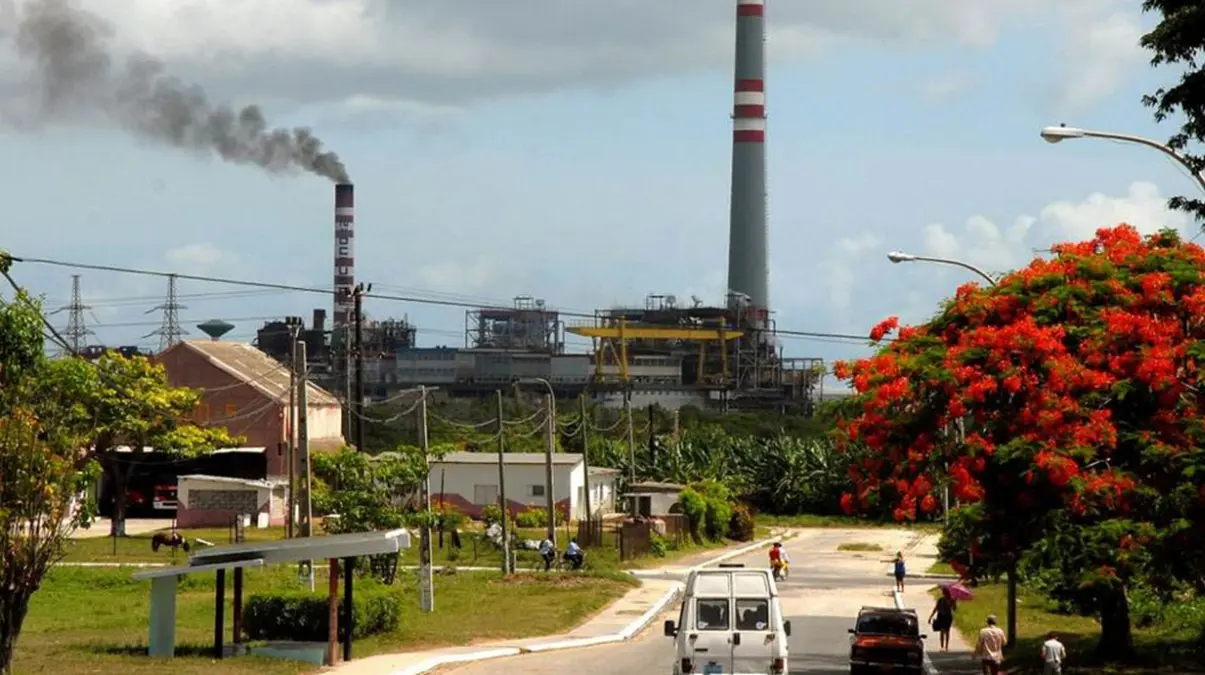
Mexico has in recent years become a top supplier of oil to Cuba, which relies on cut-price oil supplies from its allies to survive a U.S. trade blocjkade and keep the lights on through a severe energy crisis.
Author: Laura V. Mor
Source: RT / Xinhua